In today's rapidly changing consumer era, the birth of a new beverage brand no longer requires decades of heavy asset accumulation. From globally popular sparkling water to innovative juices with local characteristics, a common accelerator often lies behind them—Beverage Contract Manufacturing.
In today's rapidly changing consumer era, the birth of a new beverage brand no longer requires decades of heavy asset accumulation. From globally popular sparkling water to innovative juices with local characteristics, a common accelerator often lies behind them—Beverage Contract Manufacturing.
For startups or established brands looking to expand production capacity, understanding the operational model of beverage contract manufacturing is key to balancing cost, quality, and market responsiveness. As a Beverage OEM expert deeply rooted in the can filling field, Hainan Laizhi will today provide an in-depth analysis of how a beverage goes from an idea in your mind to a finished product on the shelf.
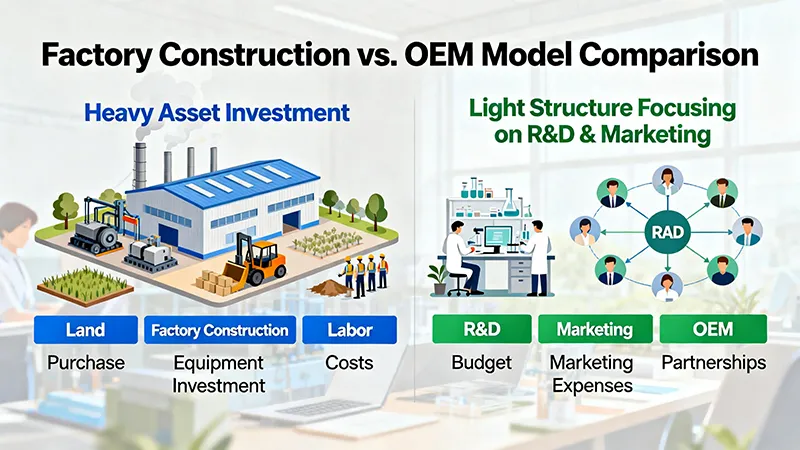
Strategic Choice: Beverage OEM vs. In-house Production
Before launching a project, founders must answer a core question: Should they invest heavily in building their own factory, or choose a professional contract manufacturing partner?
Asset Lightness and Resource Focus
The core advantage of Beverage OEM lies in its "asset lightness." Building an internationally standardized can production line often incurs tens of millions in infrastructure, equipment procurement, environmental impact assessment approvals, and labor costs. By engaging in beverage contract manufacturing, brands can invest valuable cash flow in brand building, social media marketing, and channel distribution.
Shortening the Time-to-Market Cycle
New brands fear missing market opportunities. Building a factory in-house typically takes 1-2 years from site selection to production, while established contract manufacturing partners like Hainan Laizhi, with their existing sterile workshops and mature supply chains, can shorten the cycle to as little as 2-3 months. In the highly competitive beverage industry, speed is life.
Mitigating Technological and Entry Risks
Beverage production involves complex fluid physics and microbiology. Professional contract manufacturers have experienced engineering teams capable of solving technical challenges such as carbonated beverage deflating, juice sedimentation, and protein stability. Furthermore, contract manufacturers typically possess complete production licenses and food safety certifications (such as HACCP and ISO), effectively lowering the entry barrier for brands.
Full Lifecycle Breakdown: Beverage from Concept to Market
A successful beverage is more than just "tasty"; it's the product of precise collaboration between R&D, supply chain, compliance, and production.
Creative Conception and Customized R&D
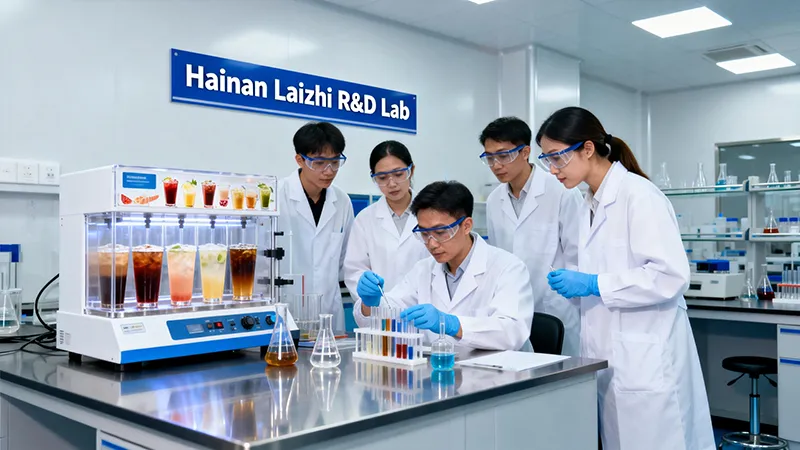
This is the soul of the project. Hainan Laizhi's R&D center focuses not only on taste but also on "mass production feasibility."
- Flavor Simulation: We conduct sample blending based on the client's positioning (e.g., low sugar, functional, tropical).
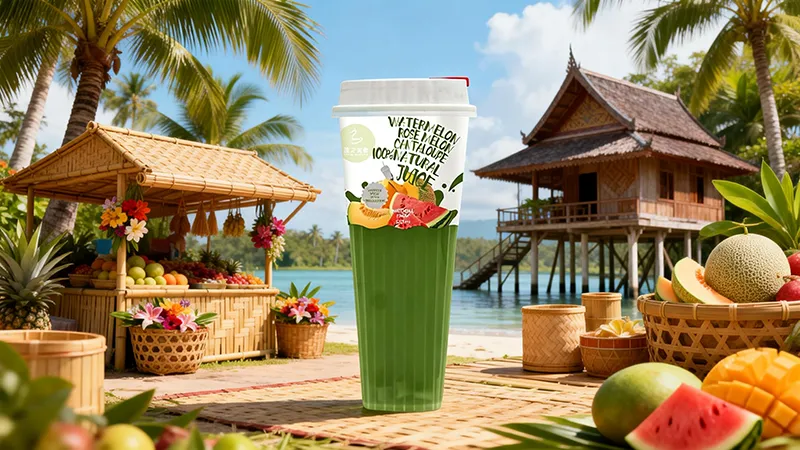
- Stability Testing: Maintaining color stability and flavor balance of different fruit components within the can during the development of the complex Watermelon Rose Honeydew Melon & Cantaloupe Fruit Juice was the core breakthrough point.
Global Raw Material Sourcing and Supply Chain Management
One of the values of contract manufacturers lies in their large-scale procurement capabilities. We have established long-term partnerships with top global suppliers of flavorings, sweeteners, and fruit juice concentrates. In the beverage contract manufacturing process, the batch stability of raw materials directly determines the consistency of the finished product's taste.
Labeling and Compliance Review (Beverage Packaging and Labeling Requirements)
This is an area where many new brands easily run into problems. Different countries and regions have stringent legal requirements for nutrition facts labels, allergen labeling, and functional claims (such as "low GI" or "sugar-free"). Hainan Laizhi's compliance team assists clients in reviewing packaging drafts to ensure compliance with beverage packaging and labeling requirements, avoiding the risk of product removal due to violations.
Core Process Flow: The Precise Science of Can Filling
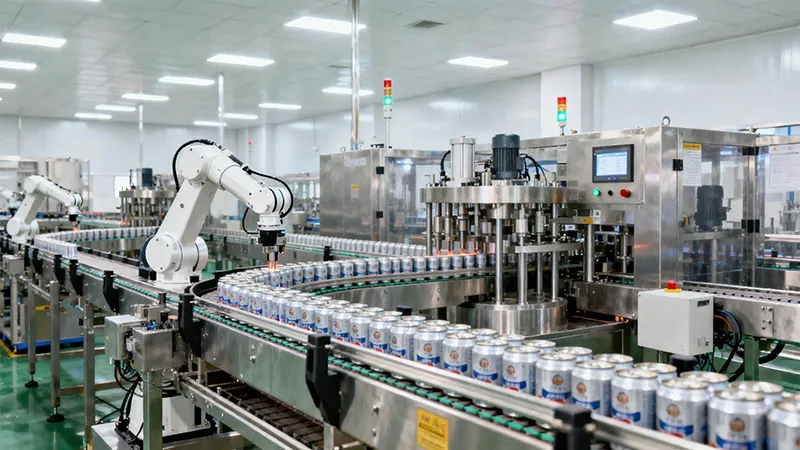
As an expert in the beverage OEM field, Hainan Laizhi views filling as a combination of art and technology.
Pretreatment System: A Pure Starting Point
All premium beverages begin with high-standard water. We employ a multi-stage RO reverse osmosis system to treat raw water, removing mineral interference and ensuring pure water with a "neutral taste." This allows premium juices such as Watermelon Rose Honeydew Melon & Cantaloupe Fruit Juice to retain their original fruit aroma.
High-Speed Filling and Precision Sealing
The core competitiveness of aluminum cans lies in their excellent barrier properties.
- Cold Chain/Ambient Temperature Filling Technology: Selecting the optimal temperature based on product characteristics.
- Isobaric Filling: Specifically designed for carbonated beverages, ensuring perfect CO₂ dissolution.
- Double Sealing: We use industry-leading sealing equipment to ensure the can lid and can body seal with micron-level precision, eliminating leakage and oxidation.
Sterilization and Quality Assurance
Through tunnel sterilization or ultra-high temperature (UHT) sterilization, we can ensure that products reach a commercially sterile state without damaging nutritional components, giving your Private Label Beverage a longer shelf life.
In-Depth Cost Analysis: How are Contract Manufacturing Fees Composed?
Understanding the Cost of Beverage Contract Manufacturing helps brands conduct accurate financial calculations.
The Four Pillars of Production Costs
- Raw Materials: Includes main and auxiliary materials, concentrate, and packaging materials (cans, cartons, shrink film).
- Toll Fee: Includes water and electricity, labor, equipment depreciation, and factory management fees.
- Loss: Reasonable filling losses exist in industrial production (typically 1%-3%).
- Logistics and Warehousing Costs: Transportation costs from the factory to the distribution center.
How to Optimize Unit Costs?
Economies of scale are key to cost reduction. Increasing the minimum order quantity (MOQ) for each production run can significantly reduce the time costs of cleaning equipment and changing production lines. Hainan Laizhihui assists brands in planning production schedules to achieve the optimal balance between cost and inventory.
Practical Guide: How to Successfully Launch a New Beverage Brand?
After mastering the technical details of how to launch a new beverage brand, execution determines success or failure.
Define Market Positioning (MVP)
Don't try to please everyone. Produce a "minimum viable product" through small-batch beverage contract manufacturing and test it in specific channels (such as gyms and boutique supermarkets).
The Power of Visuals and Design
In the era of the "appearance economy," the design of the can is the primary medium for communicating with consumers. Ensure your design aligns with the aesthetics of young people and strictly adheres to the labeling regulations mentioned earlier.
Finding the Right Partner
A good beverage OEM supplier is more than just an executor; they are your "shadow factory" and technology partner. Hainan Laizhi provides not only bottling services but also industry insights and technical support.
Conclusion
From a vague concept to a perfect can of Watermelon Rose Honeydew Melon & Cantaloupe Fruit Juice, beverage OEM is a relay race about supply chain, technology, compliance, and aesthetics.
With years of experience in OEM, Hainan Laizhi is dedicated to clearing all obstacles in your production path. If you are preparing to launch your beverage empire or need a detailed OEM solution, please feel free to contact us. Our expertise makes your brand dreams achievable.
FAQ
Q1: What is the typical MOQ for beverage OEM?
A: For can products, the MOQ is usually limited by the minimum printing quantity of the empty can manufacturer (usually 50,000-100,000 pieces). However, Hainan Laizhi can provide shrink label (relabeling) solutions to meet the testing needs of startup brands with lower MOQs.
Q2: How do you ensure the taste of the products manufactured by the contract manufacturer is consistent with the taste developed in my lab?
A: We have a strict sampling and verification process. Before large-scale production, we conduct pilot production, and both parties' sensory evaluation teams jointly sign off on and seal the sample, which serves as the sole benchmark for subsequent large-scale production.
Q3: What is the typical shelf life of contract-manufactured aluminum cans?
A: Thanks to the excellent light-blocking and oxygen-barrier properties of aluminum cans, and Hainan Laizhi's precise sterilization process, the shelf life of carbonated or fruit juice beverages can typically reach 12-18 months.
Q4: Can you provide packaging material procurement services?
A: Yes. Hainan Laizhi has a comprehensive supplier directory and can provide you with a one-stop procurement service including cans, lids, cartons, and pallets, helping you significantly reduce procurement and communication costs.


