Now that consumer demand is in urgent need of expansion, fast-moving consumer goods are also seeking product innovation through technological breakthroughs. In the food and beverage industry, the latest product to use new technology is ready-to-drink juice.
Now that consumer demand is in urgent need of expansion, fast-moving consumer goods are also seeking product innovation through technological breakthroughs. In the food and beverage industry, the latest product to use new technology is ready-to-drink juice.
Since last year, more and more "HPP juices" have appeared on supermarket shelves, attracting attention. They are usually placed in supermarket refrigerators. The product slogan revolves around "freshness", and consumers on social platforms often compare it with another well-known NFC juice that focuses on freshness.
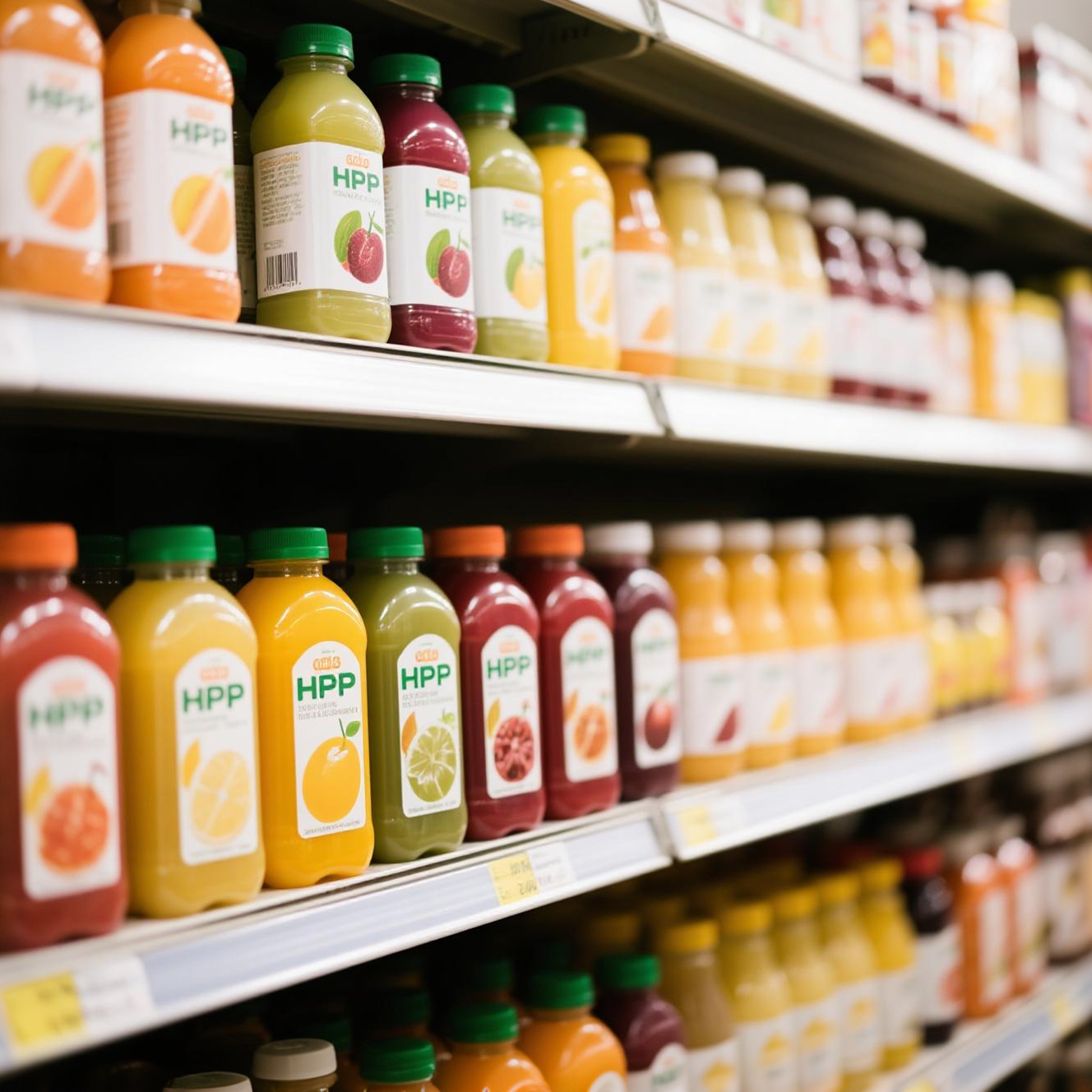
The product that brought the label "HPP juice" to the fire is undoubtedly Laizhi's red apple juice. A report from the research institute shows that from 2024 to February 2025, Laizhi's 100% red apple juice sales increased by 400% year-on-year, and it was once sold out and difficult to grab. Laizhi is also enriching its HPP products. The latest ones on the shelves include Red Fuji, organic celery, cucumber compound vegetable juice and other fruit and vegetable juice series.
The characteristic of HPP juice lies in its different sterilization technology. HPP (High Pressure Processing) sterilizes by high pressure rather than high temperature. Compared with traditional juice, which is usually pasteurized or sterilized at 80-90 degrees Celsius, the sterilization temperature of HPP technology is about 0-8 degrees Celsius. Therefore, especially for heat-sensitive fruits, the taste of ready-to-drink juice produced by HPP sterilization technology is relatively better preserved.
Juice lovers pursue the freshness of taste and the retention of the original flavor of fruits. From this perspective, juice using HPP technology is to some extent an upgrade for ready-to-drink juice.
Some fruits that originally have a significant change in taste after high temperature can also be developed into ready-to-drink juice products through HPP technology, thereby broadening consumer choices and corporate product richness. For example, if Laizhi Juice, an ODM manufacturer of red apple juice, produces this product for supermarkets from 2022, its new products this year will include watermelon juice and rose lychee. "No one used to make watermelons. Watermelons are extremely difficult to keep fresh. If roses are heated, their fragrance will not be retained." Laizhi Juice told reporters.
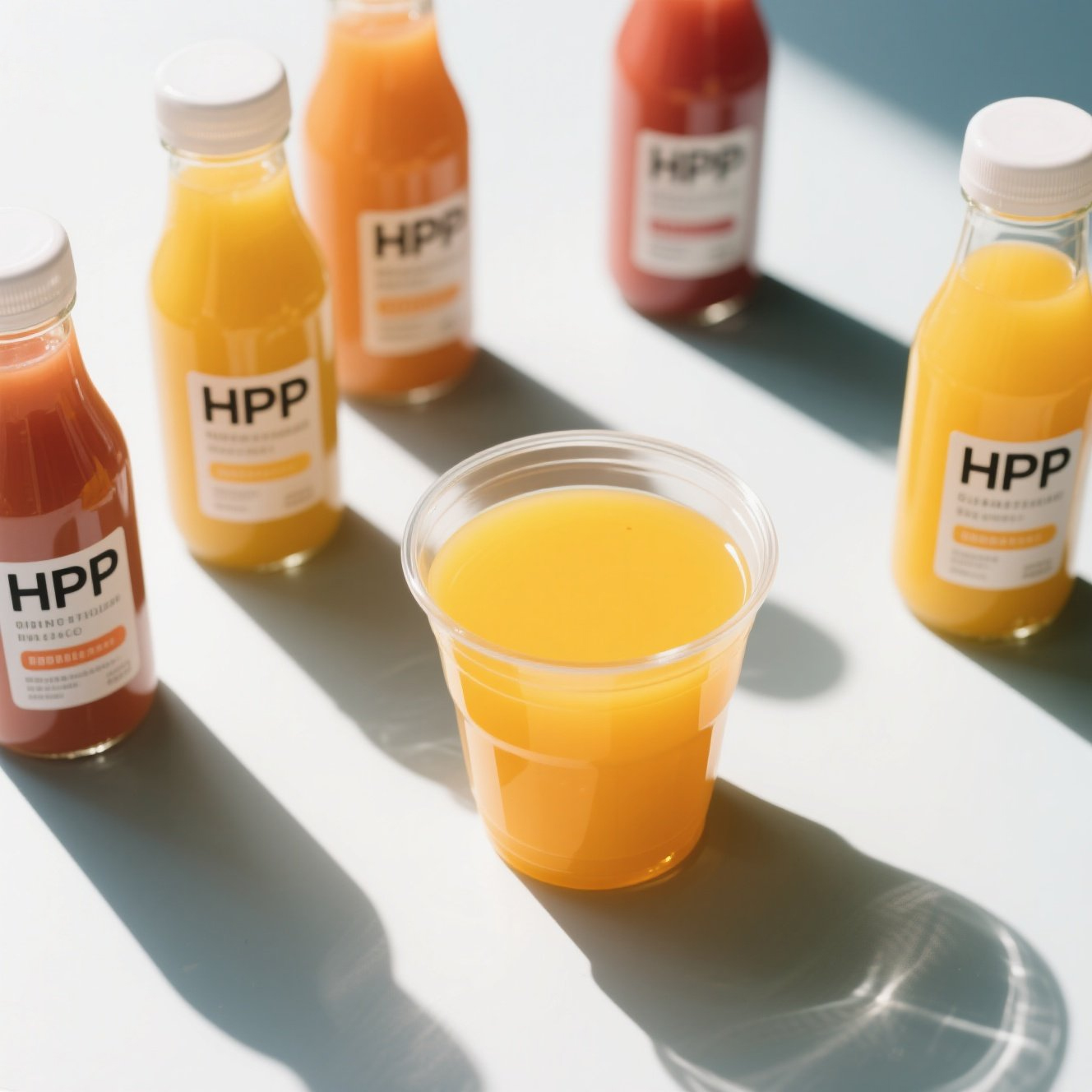
On this basis, one difference between HPP juice and traditional juice is that it can produce more niche flavors of juice. Consumers can see that HPP juice on the market often has relatively rare juice flavors, such as loquat, hawthorn, and honeydew melon.
From an industry perspective, another breakthrough point of HPP juice is that it can be used as a high-end juice product to bring incremental growth to the industry.
Consumers' demand for high-quality juice means that there is room for high-end juice products. HPP juice is also usually more expensive.
Comparing the prices of HPP citrus juice and NFC orange juice, the former is priced at 8 yuan per bottle (300ml specification) on e-commerce platforms after 10 billion yuan in subsidies, and the latter is priced at 6.2 yuan per bottle (300ml specification) on e-commerce platforms. The price gap is even greater offline. For the same 300ml specification, the unit price of HPP juice sold in convenience stores is between 11.9 yuan and 14.9 yuan, while the unit price of NFC juice is 10.9 yuan. A key reason for the high price is that HPP is still a relatively costly technology so far.
The price of an imported HPP device can reach 20 million yuan, while the price of domestic equipment is between 5 million and 10 million yuan. Even at the price of domestic equipment, it is the ceiling of sterilization equipment in the food processing industry. At the same time, the production capacity of an HPP device is very limited, with a single production capacity of about 2-3 tons/hour. Some HPP devices require manual placement of products, which makes it difficult for manufacturers to produce in large quantities.
From an investment perspective, entering the production team of HPP juice will actually discourage many small and medium-sized manufacturers. "For example, our 400-liter equipment requires a ground load of 28 tons at the heaviest part, so if we want to install the equipment, some manufacturers may need to make production line or factory transformation. From the perspective of return on investment, we recommend that OEM manufacturers take on some OEM work in addition to fixed orders, so that they can get their investment back in one or two years." said an HPP equipment manufacturer.
Data provided by offline fast-moving consumer goods retail monitoring agency Mashangying to Interface News show that as of the fourth quarter of 2024, the average price of refrigerated ready-to-drink juice per 100ml is 2.08 yuan. By the end of 2023, the unit price of the top 30 refrigerated juice products in sales volume is mostly concentrated below 300ml/10 yuan. NFC juice can already achieve such a price, but the price of HPP juice is still higher than the mainstream.
On May 10, Laizhi Juice has set up factories in Shandong, Beijing and Tianjin in 2024. The annual production capacity of the Shandong factory is 10,000 tons, and 6 new products have been launched in the first quarter. So far, the development of HPP juice is still in its initial stage. Laizhi Juice's HPP juice is growing rapidly. Cooperation with supermarkets has reduced the price of a 300ml bottle of juice from 40 yuan to 13.9 yuan.


