Some friends said that they just like to eat sweet food, so can they not eat staple food and eat fruit instead? But some friends said that the sugar content of fruit is so high that it is easier to get fat. Can they not eat fruit? Will they be malnourished?So can we not eat fruit? Let's talk about this today.
Some friends said that they just like to eat sweet food, so can they not eat staple food and eat fruit instead? But some friends said that the sugar content of fruit is so high that it is easier to get fat. Can they not eat fruit? Will they be malnourished?So can we not eat fruit? Let's talk about this today.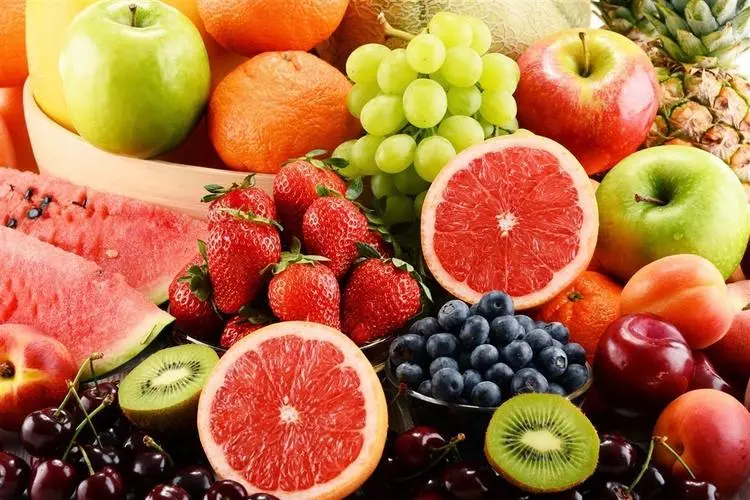
What will happen if we eat too much fruit?
1. Easy to get fat
This should be the easiest thing for everyone to think of, and it is really possible. After all, fruit can provide energy, and many fruits have high energy, such as winter dates, avocados, durian, and bananas. The energy of 7 large winter dates is equivalent to 1 small bowl of rice.
2. Increase the risk of chronic diseases such as non-alcoholic fatty liver
This is all because of fructose. On the one hand, many fruits are rich in fructose, and on the other hand, the sucrose rich in fruits can also be decomposed into fructose in the body.
| Common high-fructose fruits |
| Fruits |
Fructose content(g/100g) |
| Jackfruit |
9.19 |
| Seedless grapes (purple) |
9.17 |
| Seedless grapes (green) |
8.65 |
| Fuji apples |
8.59 |
| Red apples |
7.81 |
| Pears |
6.42 |
| Banana (ripe) |
6.09 |
| Kiwi (yellow flesh) |
5.80 |
| Sweet persimmons |
5.56 |
| Cherries |
5.51 |
| Cherry |
5.37 |
| Blueberries |
4.97 |
| Mango |
4.68 |
| Kiwi (green flesh) |
4.35 |
| Pineapple |
4.05 |
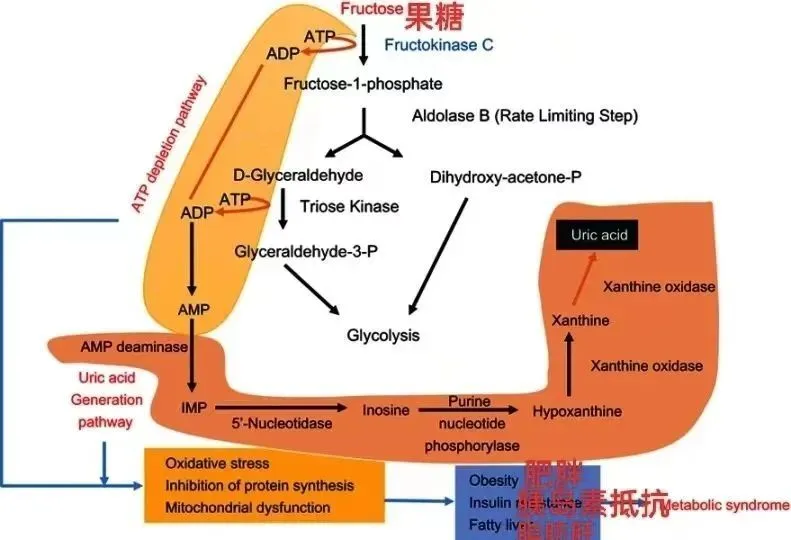
Although fructose and glucose, as monosaccharides, can be directly absorbed into the blood, their utilization in the body is very different. Every cell in the body can use glucose as energy, but only liver cells can break down fructose.
If fructose is consumed too much, it can not only be converted into fat in the liver, but also inhibit fat oxidation and decomposition, thereby increasing liver fat accumulation, and then may increase the risk of non-alcoholic fatty liver disease. In addition, fructose can also promote the production of uric acid and free radicals, and easily cause insulin resistance.
High uric acid is not only easy to induce gout, but also increases the production of liver fat through a variety of potential pathways, while free radicals will damage cell function through oxidative stress, and then many cell metabolisms will be disordered.
Is it okay not to eat fruit?
This depends on the nutrition of fruit and the health benefits of eating fruit, and whether other foods can replace it.The nutritional advantages of fruit are that it is rich in vitamin C, dietary fiber, potassium, and a variety of phytochemicals such as anthocyanins and beta-carotene.
1. Vitamin C
Fruits and vegetables rich in VC and their VC content are shown in the following table.
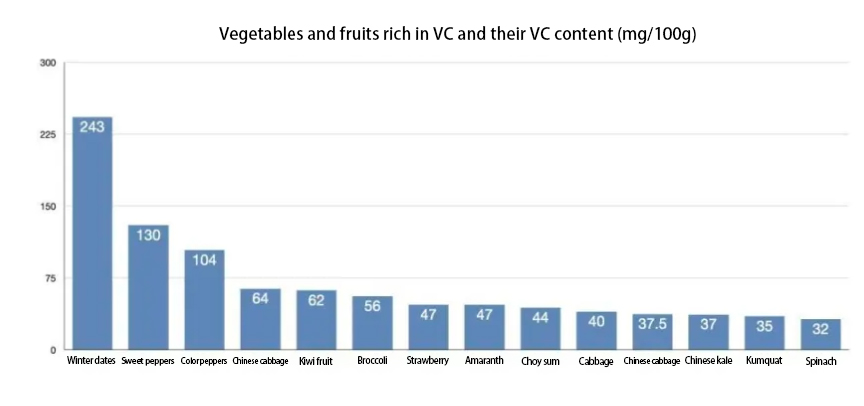
As can be seen from the table, most fruits and vegetables rich in VC have a VC content of 30-60 mg/100 g. Even if these vegetables lose some VC when cooking, you can make up for the difference by eating a few more bites. Besides, bell peppers and colored peppers with higher VC content can also be eaten raw like fruits, so in terms of VC nutrition, vegetables can completely replace fruits.
2. Dietary fiber
The following table lists the dietary fiber content of fruits and vegetables rich in dietary fiber. The dietary fiber content of these fruits and vegetables is generally between 3 and 6 grams/100 grams, including 11 kinds of vegetables, so if you don’t eat fruits and want to make up for the difference in dietary fiber, give priority to these vegetables rich in dietary fiber.
| Dietary fiber content rich in dietary fiber fruits and vegetables (grams/100 grams) |
| Fruits and vegetables |
Dietary fiber content(g/100g) |
| Houttuynia cordata |
11.8 |
| Daylily |
7.7 |
| Celery |
4.8 |
| Okra |
4.4 |
| Edamame |
4 |
| Porcini |
3.9 |
| Bright pepper |
3.3 |
| Shiitake mushroom |
3.3 |
| Pear |
3.1 |
| Peas |
3 |
| Spring bamboo shoots |
2.8 |
| Pumpkin |
2.7 |
| Kiwi |
2.6 |
| Apple |
2.4 |
Of course, grains, beans, potatoes, and noodles are also rich in dietary fiber. Replacing refined rice and white flour with them as staple food can increase dietary fiber intake.
3. Minerals
Calcium: Vegetables can completely replace fruits
This is because the calcium content of kelp, day lily, amaranth, rapeseed, Chinese cabbage, coriander, and okra in vegetables is more than 100 mg/100 g, which is an important dietary source of calcium. However, the calcium content of fruits is mostly very low. The highest calcium content of Miyun jujube is only 80 mg/100 g.
Potassium: Vegetables can completely replace fruits
I have sorted out fresh vegetables and fruits with potassium content >250 mg/100 g. There are 22 kinds of vegetables that meet the requirements, namely kelp, day lily, lily, edamame, water chestnut, fresh broad bean, bamboo shoot, red radish, kale, amaranth, fresh peas, fresh mushrooms, water chestnut, lettuce leaves, water spinach, lotus root, mustard greens, baby cabbage, colored peppers, coriander, small cherry tomatoes, and oyster mushrooms.
There are only 7 kinds of fruits that meet the requirements, namely dates, avocados, coconuts, jackfruits, plantains, hawthorns, and bananas. I must emphasize to you that bananas have the lowest potassium content among these fruits and vegetables. Many people think of bananas first when they think of potassium supplementation, which is really too much praise for bananas.
Magnesium: Vegetables can completely replace fruits
I have sorted out fresh vegetables and fruits with magnesium content >50 mg/100 g. There are 10 kinds of vegetables that meet the conditions, namely, button mushrooms, kelp, green amaranth, day lily, edamame, wood ear vegetable, spinach, celery leaves, water-soaked wood ear, and cowpea. The only fruit that meets the conditions is coconut.
4. Bioactive ingredients: Vegetables can completely replace fruits
Anthocyanins
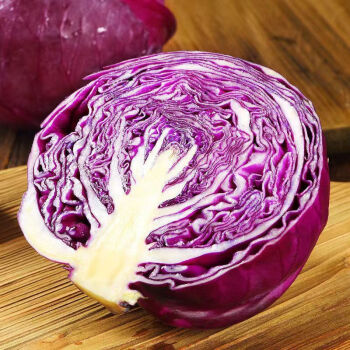
Blueberries, mulberries, and grapes are rich in them, but you can eat purple cabbage to supplement them.
β-carotene
Mangoes, papayas, tangerines, and oranges are rich in them, but you can eat carrots and pumpkins to supplement them.
Lycopene
Guavas and watermelons are rich in them, but you can eat tomatoes to supplement them. The lycopene content of guava, watermelon and tomato per 100 grams is 5200 micrograms, 4530 micrograms and 4100 micrograms respectively. The lycopene content of tomato is not much different from that of pomegranate and watermelon. The key is that it has much lower energy. Eating a few more bites of lycopene can make up for the difference.
Lutein and zeaxanthin
Nectarines, yellow peaches, green kiwis and cantaloupes contain lutein, but eating spinach, kale, romaine lettuce and broccoli is more nutritious. Their lutein and zeaxanthin content is significantly higher than the previous fruits.
The above analysis is whether the nutrients rich in fruits can be replaced. Next, let's look at the benefits of eating fruits and whether other foods can replace them.
At present, a large number of epidemiological surveys have shown that eating more fruits can reduce the risk of cardiovascular diseases and the risk of digestive tract cancers such as esophageal cancer, gastric cancer and colorectal cancer. However, eating more vegetables can also get these health benefits. In addition, eating more cruciferous and green leafy vegetables can also reduce the risk of lung cancer and breast cancer. Eating more green leafy vegetables and yellow vegetables can also reduce the risk of type 2 diabetes.
From a nutritional point of view, vegetables can also replace fruits. It won’t be a big deal if you don’t eat fruits for a month.
However, fruits are rich in citric acid and malic acid, which give fruits unique acidity. In addition, the sugar and various aromatic compounds they contain make fruits sweet and sour, and the fruity fragrance is overflowing. I really can’t refuse it.
If you want to eat fruit, how much is recommended?
The Chinese Residents’ Dietary Guidelines recommend eating 200-350 grams of fruit every day. One kiwi is about 100 grams, and one medium-sized apple or peach or orange is about 250 grams, which adds up to 350 grams.
These two types of people should be cautious when eating fruit
1. High blood sugar/diabetes people
Diabetics can also eat fruit, but they need to be more cautious when choosing fruit.
According to the recommendations of the "Guidelines for the Prevention and Treatment of Type 2 Diabetes in China", diabetic patients should choose low-glycemic index carbohydrates while controlling the total amount of carbohydrates. They can appropriately increase the intake of non-starchy vegetables, fruits, and whole grains, and reduce the intake of refined grains.
Give priority to fruits with low glycemic index (GI) and glycemic load (GL), such as strawberries, cherries, plums, grapefruits, oranges, blueberries, apricots, peaches, etc.You can choose to eat it when adding meals, 100 grams each time.
2. People who are losing weight
First, it is recommended that people who need to lose weight can refer to the way diabetic patients eat fruits and choose fruits with low GI and GL; secondly, don't eat fruits after a full meal, which may lead to excessive calorie intake, which is not conducive to weight loss. It is best to eat before a meal, which can enhance satiety and help weight loss.If you love to eat fruits, but don't want to eat too much, you can try this way next time!


