In recent years, blueberries have won the reputation of "King of Anthocyanins" for their rich anthocyanin content and strong antioxidant capacity. However, the latest research shows that the real "King of Anthocyanins" is not blueberries, but a long-ignored ingredient-blackcurrant.
In recent years, blueberries have won the reputation of "King of Anthocyanins" for their rich anthocyanin content and strong antioxidant capacity. However, the latest research shows that the real "King of Anthocyanins" is not blueberries, but a long-ignored ingredient-blackcurrant.
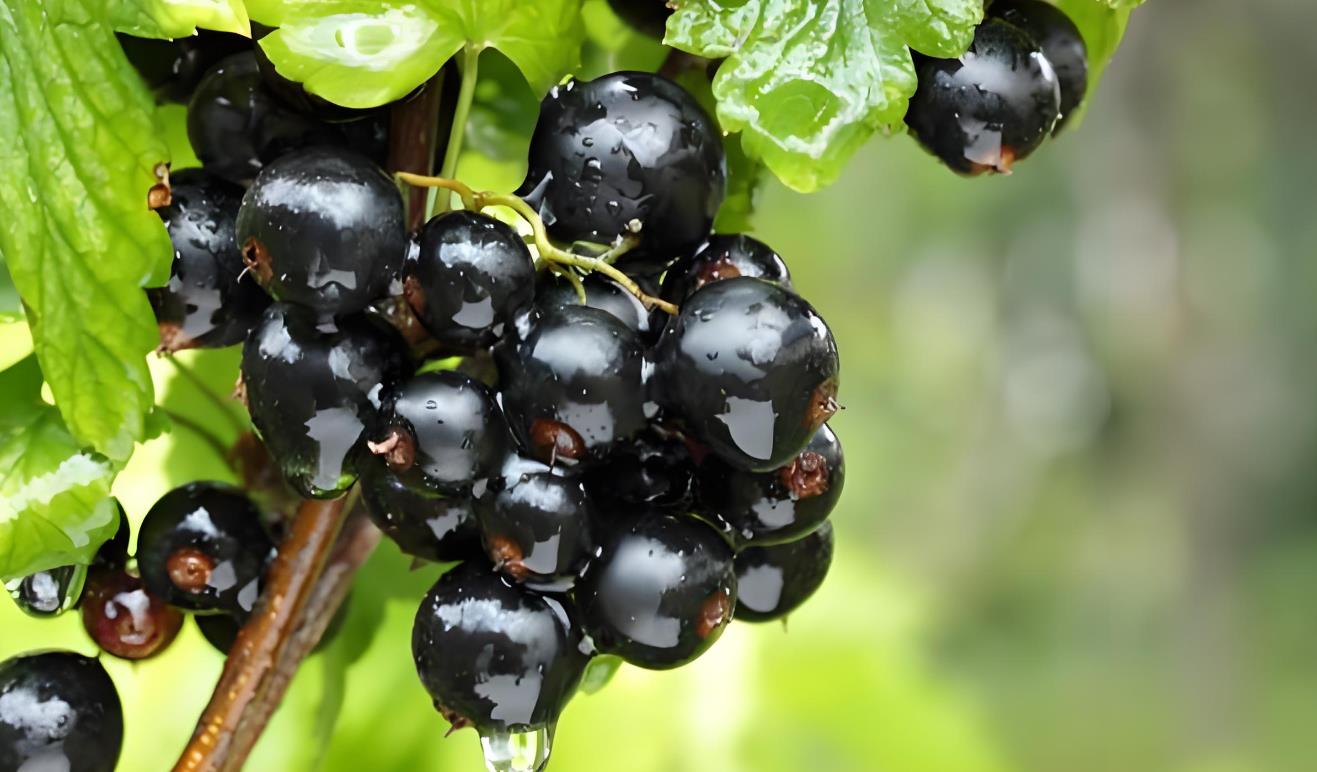
What is blackcurrant?
Blackcurrant is scientifically known as Ribes nigrum. It is a small shrub of the genus Ribes in the family Currant. It is native to Europe and northern Asia. The appearance is dark purple to black and the taste is sweet and sour. Although it is not as bright as blueberries in appearance, its nutritional value far exceeds that of blueberries. According to research by the University of Nottingham in the UK, the anthocyanin content in blackcurrants is 4 times that of blueberries. This amazing data has aroused great interest in the health benefits of blackcurrants among researchers.
Benefits of Blackcurrant
Anthocyanin is a powerful antioxidant that can effectively neutralize free radicals in the body and protect cells from oxidative damage. It not only protects the brain, eyes, and inflammation, but also has multiple functions such as preventing cardiovascular disease and delaying aging. The rich anthocyanin content in blackcurrant means that it may play these roles more effectively than blueberries.
-
In terms of brain protection, anthocyanins in blackcurrant can cross the blood-brain barrier and act directly on brain cells. It can improve cerebral blood flow and promote signal transmission between neurons, thereby improving cognitive function and memory. A 12-week clinical trial on elderly people showed that subjects who consumed blackcurrant extract every day performed significantly better than the control group in cognitive tests.
-
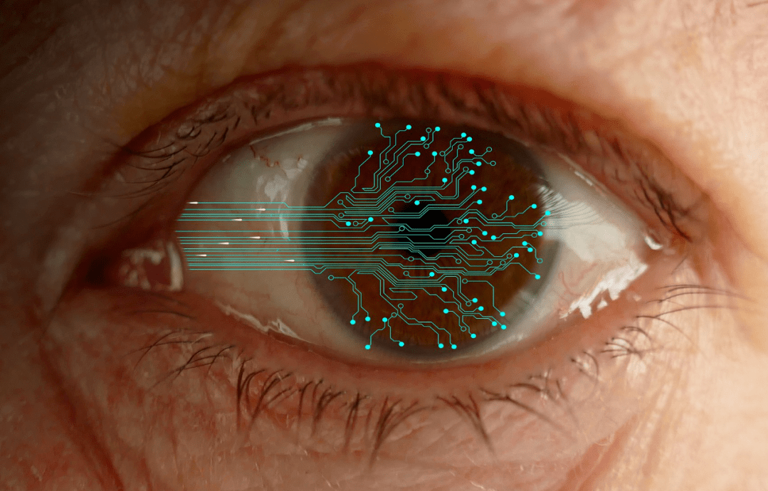
Improve visual function. Anthocyanins in blackcurrant can protect retinal cells from light damage. The human eyeball is an organ that receives light stimulation. Some light in the environment can cause damage to the retina of the eye. This process is called "retinal photochemical damage". The absorption of excessive photons induces the retina to produce a large number of free radicals, leading to lipid peroxidation and reactive oxygen formation, which promotes retinal photoreceptor cell dysfunction and ultimately causes visual impairment.
-
Delaying aging Human aging is a very complex process, but the core link is the peroxidation damage caused by free radicals. The human body can remove excessive free radicals through its own mechanism, but as age increases, the body's ability to remove free radicals will gradually decrease. In order to maintain human health and delay aging, it is very important to consume nutrients with antioxidant effects from food.
-
Anti-inflammatory effect, chronic inflammation is considered to be the root cause of many chronic diseases, including cardiovascular disease, diabetes and certain cancers. Anthocyanins in blackcurrants effectively reduce the level of inflammation in the body by inhibiting the production of inflammatory factors. This feature makes blackcurrants a potential good prescription for the prevention and auxiliary treatment of many chronic diseases.
From the perspective of traditional Chinese medicine, blackcurrants are flat in nature and sweet and sour in taste. They have the effects of nourishing yin and kidney, improving eyesight and improving intelligence. It can nourish the liver and improve eyesight, nourish essence and nourish marrow, and has a good conditioning effect on symptoms such as liver and kidney yin deficiency, red and blurred eyes, and sore waist and knees.
Western medicine pays more attention to the bioactive ingredients in blackcurrants and their specific mechanisms of action on the human body. This perspective of combining Chinese and Western medicine provides us with a more comprehensive understanding of health.
Despite the significant health benefits of blackcurrant, its cultivation and consumption in my country are not yet popular enough. In contrast, European countries have a higher recognition of blackcurrant, which is often used to make jams, juices and liqueurs. In the UK, blackcurrant juice is even known as the "national drink".
How to better integrate blackcurrant into daily diet?
Fresh blackcurrant can be eaten directly, but due to its sour taste, many people prefer to make it into juice or jam. Blackcurrant juice not only tastes good, but also retains its nutrients to the greatest extent. Drinking 100-200 ml of blackcurrant juice every day can obtain significant health benefits.
Blackcurrant can also be made into dried fruit or extracts for daily health care products. It should be noted that although blackcurrant has many benefits for health, it should not be consumed in excess. Eat 30-50 grams of fresh blackcurrant or an equivalent amount of processed products every day.
The planting conditions of blackcurrant are relatively harsh and require a cool and humid climate. This is why it is mainly distributed in Northeast China and other regions in my country. As people pay more and more attention to health, it is believed that the planting area of blackcurrant will gradually expand in the future, allowing more people to benefit from this "king of anthocyanins".
Although the health benefits of blackcurrant are exciting, we should not ignore the value of other berry fruits. Blueberries, raspberries, strawberries, etc. are rich in anthocyanins and other beneficial ingredients. A balanced and diverse diet is the key to maintaining health. Eating blackcurrant with other berries can not only enrich the taste, but also provide more comprehensive nutrition.


